


The Groenigen Sefira Yigdal
By: D Klompsma

Last Friday night’s davening concluded with a melody that carried more than just musical beauty—it carried history. A heartfelt thank-you is due to Mendy Meyer, with the support of Alex Grinberg, for bringing the Sefirot Yigdal melody of Juda Izak Vleeschhouwer to life in such a meaningful way.
A Melody Rooted in Groningen
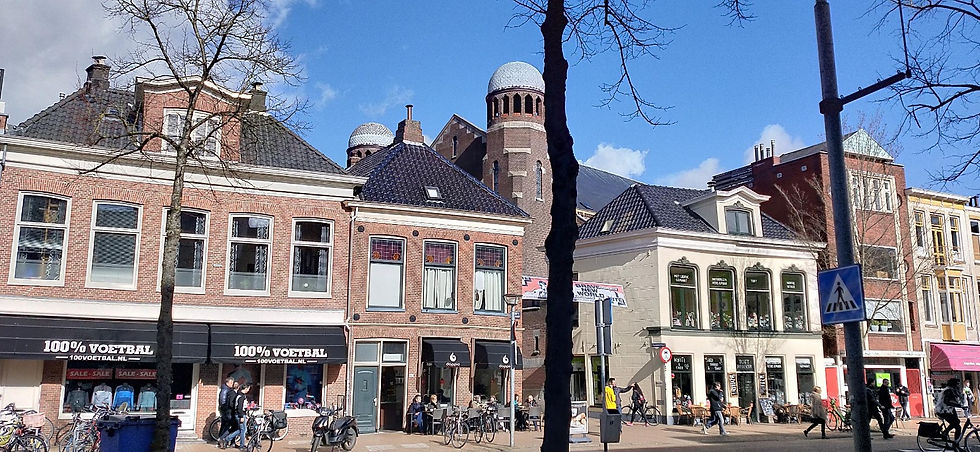
This particular melody traces its origins to Groningen, the northernmost city in the Netherlands—what many Americans simply call Holland. Situated relatively close to German cities like Hamburg and Oldenburg (once the Kehilla of Rabbi Samson Raphael Hirsch), “Groningen” is pronounced with a guttural chaf sound, rather than a hard “g.”This city is my hometown. Let me tell you a bit about the Kehila there.
The Legacy of Chazan Vleeschhouwer

At the heart of this musical tradition is Juda Izak Vleeschhouwer, who served as the principal chazan in Groningen until 1909. Recordings of his work have been preserved and released across several CDs over the past three decades.
Following his tenure, the role of chazan was taken up by Levi Rosenblatt, the younger brother of the legendary Yossele Rosenblatt. Levi served the Groningen community until 1924, before moving on to Hamburg—another link in the chain of European Jewish musical heritage.

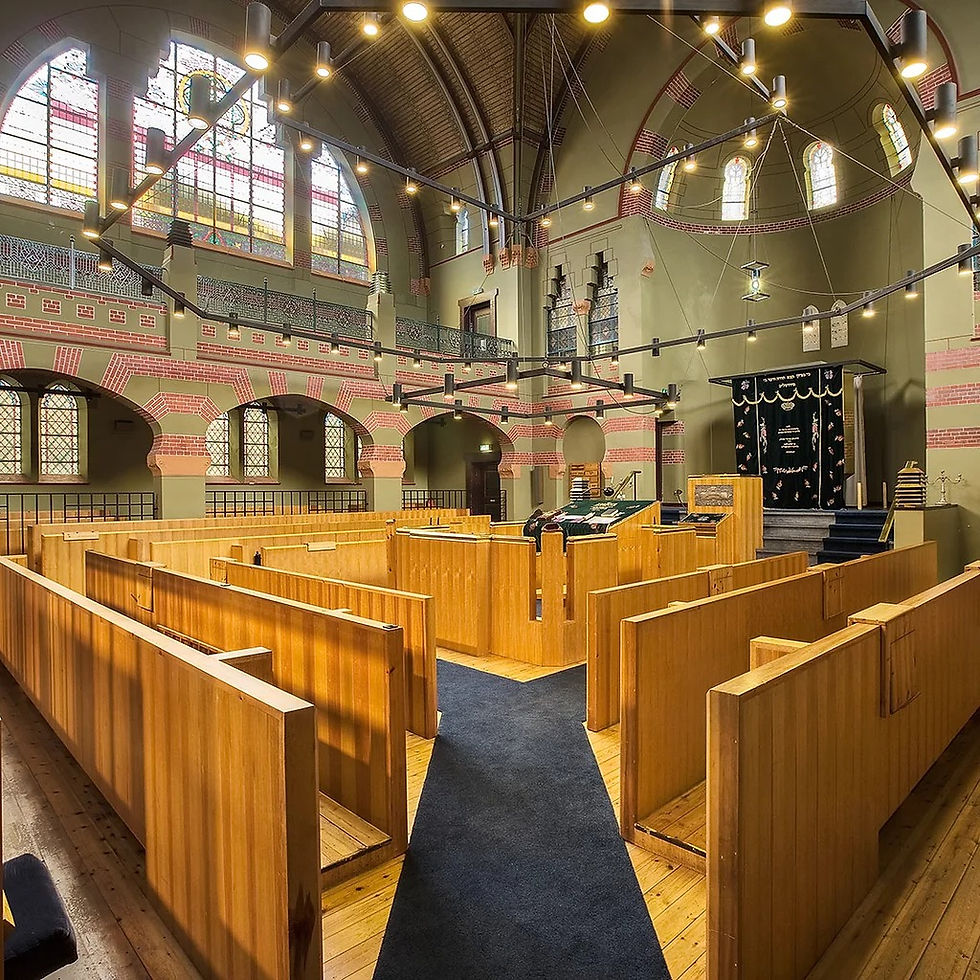
The last rabbi of the community was Rav Shimon Dasberg. The synagogue was rededicated in 1985 and now houses what remains of the community there.
Approximately 93% of Groningen’s Jewish population was murdered during the Holocaust. Hearing Vleeschhouwer’s Yigdal today- is not just sentimental for me—it is deeply emotional.
Here is an audio recording of the Sefira Yigdal, arranged by Barry Mehler of Amsterdam and performed by Oded Peles, a descendant of Vleeschhouwer, along with a link to a short video about the community. Also, a link to a PDF with the CD information (in English & Dutch).
At this time of Aveilus, for the talmidim of Rabi Akiva, and the lost communities of the Rhineland, it is fitting to hear this tune that brings to mind another link in the cahin of our Mesorah.

Comments